


DISC PROFILE WORKSHOPS
What is DISC Profile?
DISC is a simple but powerful behavioural model that helps us understand how people tend to communicate, make decisions, and respond under pressure.
It doesn’t put people in boxes or label who they are as a person - instead, it gives us a really practical way to recognise different communication styles and adapt our approach so we can work better together, reduce misunderstandings, and build stronger relationships at work.
In a nutshell, DISC helps answer questions like:
Why do some people want the detail, while others just want the headline?
Why do some people move fast on decisions, while others need time to think it through?
Why do certain conversations flow easily, while others feel like hard work?
Once you understand DISC, a lot of those “why are they like that?” moments start to make a lot more sense.

What is DISC Advanced?
DISC Advanced takes the core DISC model a step further by giving deeper insight into behaviour, communication preferences, and how people adapt in different environments - especially at work.
It’s particularly useful in teams and leadership settings because it goes beyond “this is your style” and starts to explore things like:
How you behave under pressure
How your style shifts in different situations
How to flex your communication for different people
Where misunderstandings are most likely to happen in a team
It’s practical, easy to apply, and very “real world” - which is why it works so well in workshops.

The 4 DISC Styles
Everyone has a mix of all four styles, but most people will naturally lean more strongly towards one or two.
D – Dominance
Direct, driven, and results-focused.
People with a strong D style tend to:
Be decisive and action-oriented
Focus on outcomes and getting things done
Be comfortable taking charge
Prefer straightforward communication
They often ask: “What’s the result and how fast can we get there?”
I – Influence
Outgoing, energetic, and people-focused.
People with a strong I style tend to:
Be enthusiastic and expressive
Build relationships easily
Enjoy collaboration and conversation
Bring energy to a team
They often ask: “Who’s involved and how are we working together?”
S – Steadiness
Calm, supportive, and reliable.
People with a strong S style tend to:
Be patient and consistent
Value stability and harmony
Be great listeners and team players
Prefer a steady, unhurried pace
They often ask: “How will this affect the team and can we do it in a way that feels stable?”
C – Compliance
Detail-focused, analytical, and quality-driven.
People with a strong C style tend to:
Be careful and methodical
Focus on accuracy and standards
Think things through before acting
Value structure, logic, and clear expectations
They often ask: “What are the facts, and what’s the most accurate way to do this?”
How I use DISC in workshops
I run interactive DISC workshops for teams and leaders who want to improve communication, reduce friction, and work more effectively together.
It’s not about theory overload - it’s about real conversations, real workplace situations, and giving people practical tools they can use straight away.
If you’re looking to improve team dynamics, leadership communication, or just make work feel a bit easier day-to-day, DISC is a great place to start.

Once you understand DISC, you start to see it everywhere in the workplace - meetings, decision-making, conflict, leadership, and communication breakdowns. This is where it becomes really powerful: not just understanding it, but using it.
Better communication. Less friction. Stronger teams.
Most workplace challenges aren’t caused by a lack of skill - they’re caused by miscommunication & misunderstanding.
People are different. They think differently, communicate differently, and make decisions differently. And when we don’t understand those differences, things get messy fast.
That’s where DISC comes in.
DISC is a practical behavioural model that helps teams understand themselves and each other - so communication becomes clearer, faster, and far more effective.
DISC Workshops for Teams & Leaders

What DISC helps your team with
After a DISC workshop, teams typically start to:
Communicate with less misunderstanding and friction
Understand why colleagues behave the way they do
Adapt communication styles depending on who they’re speaking to
Reduce conflict and misinterpretation
Work more efficiently together
Improve leadership and team dynamics
What I deliver in the workshop
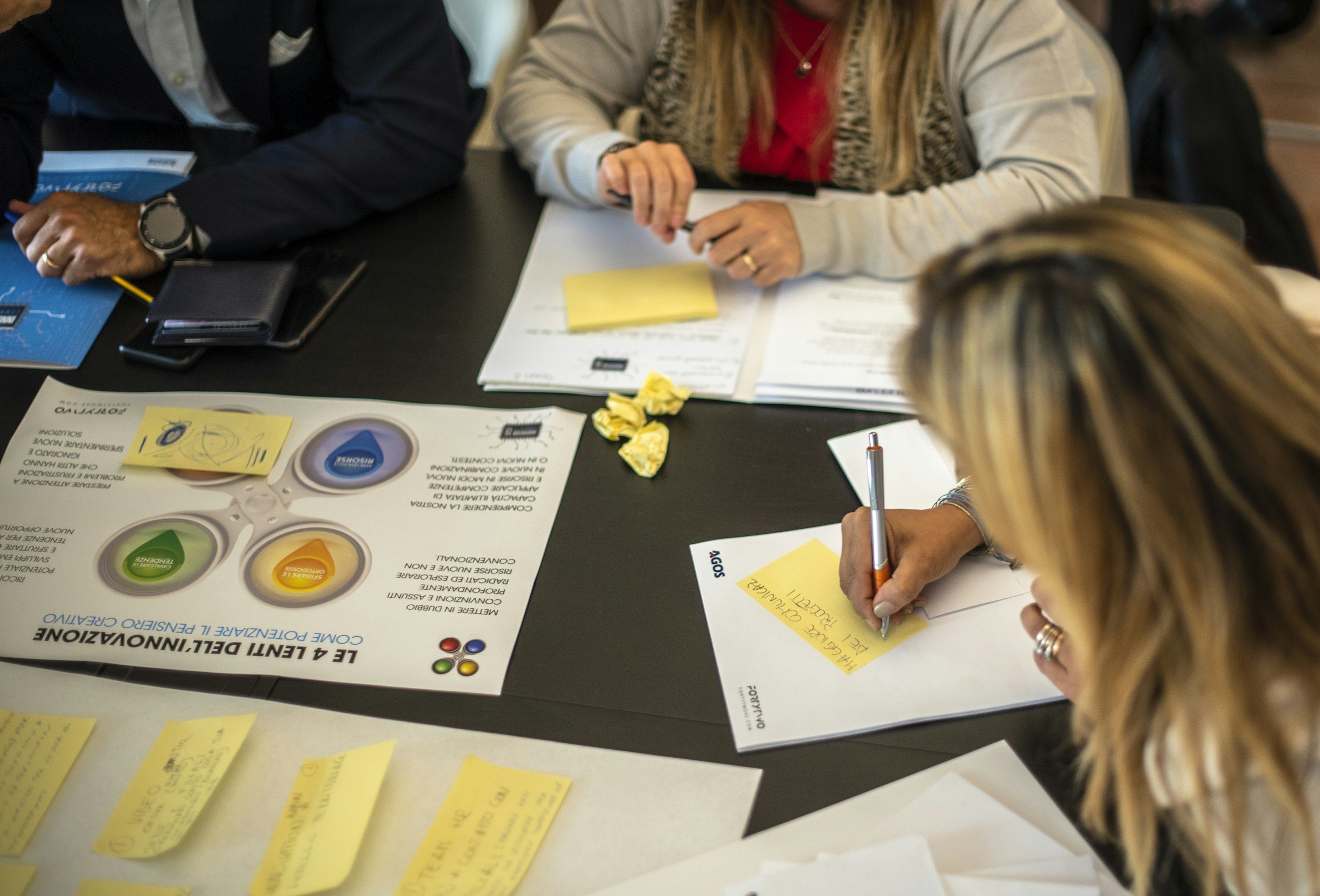
This isn’t theory-heavy training. It’s practical, interactive, and based on real workplace situations.
Your team will:
Discover their own DISC style
Learn how to recognise other styles quickly
Understand communication triggers and stress behaviours
Work through real team scenarios
Walk away with practical tools they can use immediately
Workshop options
Half-Day DISC Workshop
Ideal for introducing DISC and improving team communication.
Full-Day DISC Workshop
Deeper exploration of styles, leadership dynamics, and real team challenges.
Leadership Focused Sessions
For managers and leaders who want to better understand and adapt their leadership style.
(Custom sessions also available depending on your team’s needs.)
Who this is for
This is ideal for:
Leadership teams
Sales teams
HR and people & culture teams
Growing businesses
Teams experiencing communication challenges
Organisations wanting to improve collaboration and performance
Why it works
Because it’s simple.
Success is gained through behaviour, sometimes an individual’s but mostly through the ability to affect the behaviour of others. To do this, we must understand behaviour and what drives it.
Once people understand why others communicate differently, they stop taking things personally and start adapting how they work together. That’s where real change happens.
If you’re looking to improve communication, reduce workplace friction, and build a more connected team, I’d love to chat.